How to Bake a Cake ?
Baking a cake at home can be a fun and rewarding experience. You do not need to be a professional baker to make a soft, delicious cake. With the right ingredients, proper measurements, and a few simple techniques, anyone can bake a cake at home.
Whether you are making a cake for a birthday, anniversary, celebration, or simply want something sweet with your evening tea, this beginner-friendly guide will help you understand the complete process.
Ingredients Required
For a basic vanilla cake, you will need:
- 1½ cups all-purpose flour (maida)
- 1 cup sugar
- ½ cup butter or oil
- 2 eggs
- ½ cup milk
- 1 teaspoon vanilla essence
- 1½ teaspoons baking powder
- ¼ teaspoon baking soda
- A pinch of salt
Optional: You can add chocolate chips, dry fruits, cocoa powder, or other flavors according to your preference.
Step 1: Prepare the Baking Pan
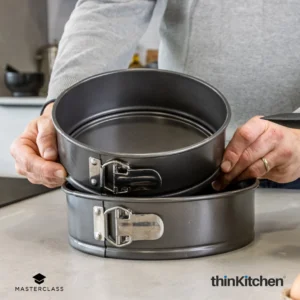
Start by greasing your cake pan with a little butter or oil. You can also line the bottom with parchment paper to make it easier to remove the cake after baking.
Lightly dust the pan with flour if required.
Step 2: Preheat the Oven
Preheat your oven to 180°C (350°F) for about 10–15 minutes.
Preheating is important because the cake needs to go into an oven that has already reached the correct temperature.

Step 3: Mix the Dry Ingredients
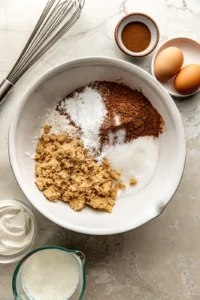
Take a large bowl and add the flour, baking powder, baking soda, and salt.
Sift the ingredients together. This helps remove lumps and makes the dry ingredients evenly distributed.
Step 4: Mix the Wet Ingredients
In another bowl, add the butter or oil and sugar. Mix them until they become smooth and well combined.
Add the eggs one at a time and mix properly. Then add vanilla essence and milk.
If you are making an eggless cake, you can use ingredients such as yogurt or condensed milk as an alternative, depending on the recipe.
Step 5: Combine the Wet and Dry Ingredients
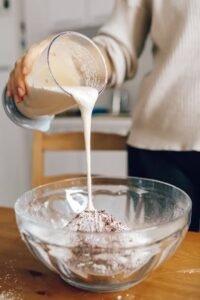
Gradually add the dry ingredients to the wet mixture.
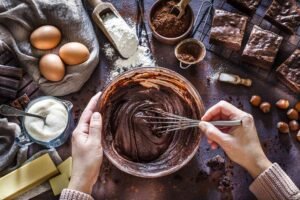
Gently fold everything together using a spatula or whisk. Avoid overmixing the batter because it can make the cake dense instead of soft and fluffy.
The batter should have a smooth, slightly thick consistency.
Step 6: Pour the Batter Into the Pan
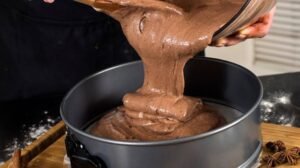
Pour the prepared batter into the greased cake pan.
Gently tap the pan on the kitchen counter once or twice to remove large air bubbles.
Do not fill the pan completely. Leave some space because the cake will rise during baking.
Step 7: Bake the Cake
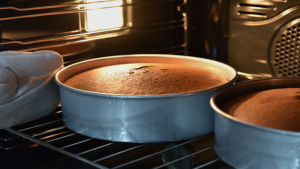
Place the cake pan in the preheated oven.
Bake at 180°C (350°F) for approximately 25–35 minutes. The exact baking time can vary depending on your oven and the size of the cake pan.
Avoid opening the oven frequently while the cake is baking, especially during the first 20 minutes.
Step 8: Check Whether the Cake Is Done
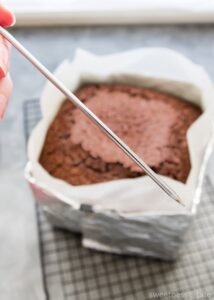
Insert a toothpick or wooden skewer into the center of the cake.
- If it comes out clean, the cake is ready.
- If wet batter sticks to it, bake the cake for a few more minutes.
You can also gently press the center of the cake. If it springs back, it is usually a good indication that the cake is baked.
Step 9: Cool the Cake
Once the cake is baked, remove it from the oven and allow it to cool in the pan for around 10–15 minutes.
Then carefully remove it from the pan and place it on a wire rack to cool completely.
Do not apply frosting while the cake is still hot because the frosting can melt.
Step 10: Decorate the Cake
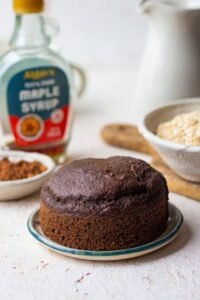
Once the cake has completely cooled, you can decorate it according to your preference.
You can use:
- Whipped cream
- Chocolate ganache
- Buttercream frosting
- Fresh fruits
- Sprinkles
- Chocolate chips
- Nuts
For a simple homemade cake, even a light layer of whipped cream and some fruit can make it look beautiful.

Tips for Baking a Soft and Fluffy Cake
Here are some useful tips for beginners:
- Measure ingredients accurately. Baking depends heavily on the correct ratio of ingredients.
- Always preheat the oven. Starting with the correct temperature helps the cake rise properly.
- Do not overmix the batter. Mix just until the ingredients are combined.
- Use fresh baking powder and baking soda. Old leavening agents may prevent the cake from rising properly.
- Avoid opening the oven repeatedly. Sudden temperature changes can cause the cake to sink.
- Allow the cake to cool completely before decorating.
- Follow the recipe’s temperature and baking time. Different ovens can behave differently, so keep an eye on the cake near the end of the recommended baking time.
Common Mistakes Beginners Make
One of the most common mistakes is adding too much flour. This can make the cake dry and heavy. Another common mistake is overmixing the batter, which can result in a dense texture.
Using an incorrect oven temperature can also affect the final result. For example, an oven that is too hot may cause the outside of the cake to cook quickly while the center remains undercooked.
Conclusion
Baking a cake at home is easier than it may seem. The key is to use the right measurements, prepare the ingredients properly, preheat the oven, and avoid overmixing the batter.
Once you master a basic vanilla cake, you can experiment with chocolate cakes, fruit cakes, cupcakes, and different types of frosting. With a little practice, you can create delicious homemade cakes for any occasion.